





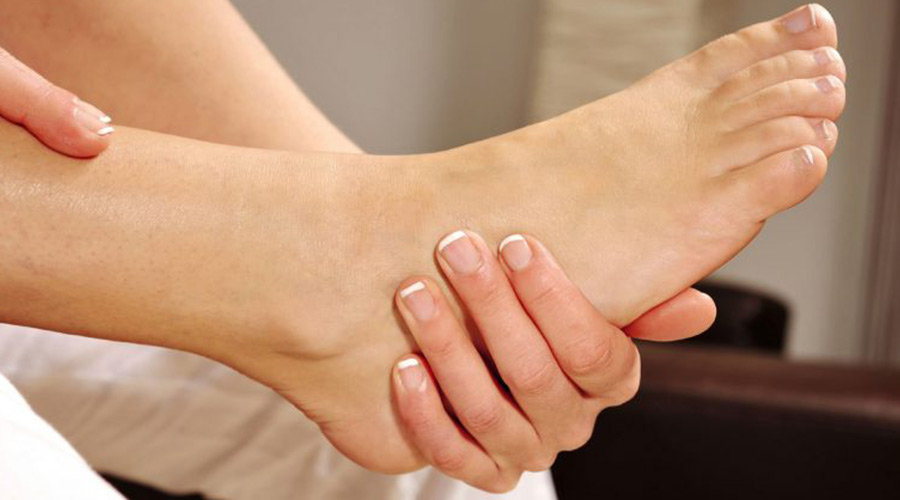
Cold feet are an ailment that has happened to everyone, young and old. Sometimes this situation, which you can overcome with extremely simple measures, can sometimes become an extremely difficult situation and even signal more serious health problems. If you are complaining that your feet are constantly cold, especially these days when we have cold days, continue reading our article. Here's everything you need to know about cold feet.
Everything You Wondered About Cold Feet
Cold feet are an ailment that has happened to everyone, young and old. Sometimes this situation, which you can overcome with extremely simple measures, can sometimes become an extremely difficult situation and even signal more serious health problems. If you are complaining that your feet are constantly cold, especially these days when we have cold days, continue reading our article. Here's everything you need to know about cold feet.
The circulatory system
The cold weather causes many parts of your body, especially your feet, to get cold. The circulatory system is responsible for this situation. When the temperature drops, our body works to keep the most important parts of the body warm. The vital organs of the body are those that are usually located inside our rib cage. In fact, the rib cage acts as a kind of protection to protect these organs from external factors.
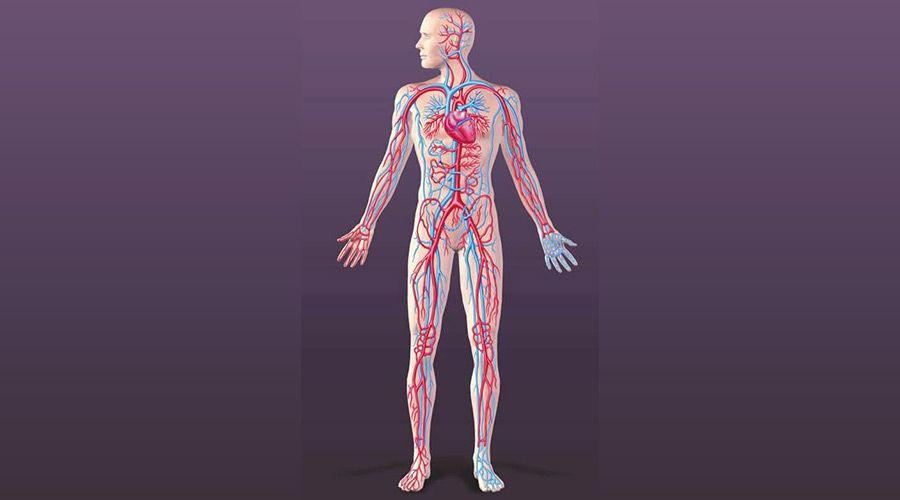
When the ambient temperature drops, the circulatory system starts to work to warm the most vital organs for the body. As such, parts of our body that do not have large veins, such as the fingertips and nose of the hands and feet, become more affected by cold. This is why your fingertips and feet stay colder than any other part of your body in a cold environment. However, all these symptoms are considered relatively normal, especially in cold weather. The main problem with cold feet is that the hands or feet (especially the tips of the fingers and toes) remain cold even when the ambient temperature is normal.
If Your Feet Aren't Warm...
It is perfectly normal for your feet to feel cold in cold weather or when your shoes / slippers are wet. We mentioned earlier that this is actually a minor problem that originates from the body's circulatory system. The main problem with cold feet is that your feet do not get warm even though you are in a hot environment. When this situation exceeds a certain time, it can be said that there is a problem with your feet. These problems can be examined under several main headings. These;
Problems With The Circulatory System
Hormonal Problems
Muscle Rheumatism
Vitamin Deficiency
Orthopedic Issues
Raynaud's Disease
Peripheral Disorders
Causes of Cold Feet: Problems with the Circulatory System
Problems with the circulatory system cause cold feet and especially your toes. If there is a blockage in the veins responsible for carrying blood to your hands and especially to your feet, the body cannot pump blood to these points as much as necessary. This ensures that the temperature in your feet and hands remains low for an extended period of time. Disorders of the circulatory system cause not only coldness in your feet, but also the formation of varicose veins. Varicose veins on the feet can also cause your feet to feel cold. Varicose veins occur because the blood pumped into the veins stays in that vein. The blood, which has a problem in pumping back, stays in the vein over time and creates an extremely disturbing image. In summary, circulatory disorders can cause not only cold feet but also varicose veins.
What can be done?
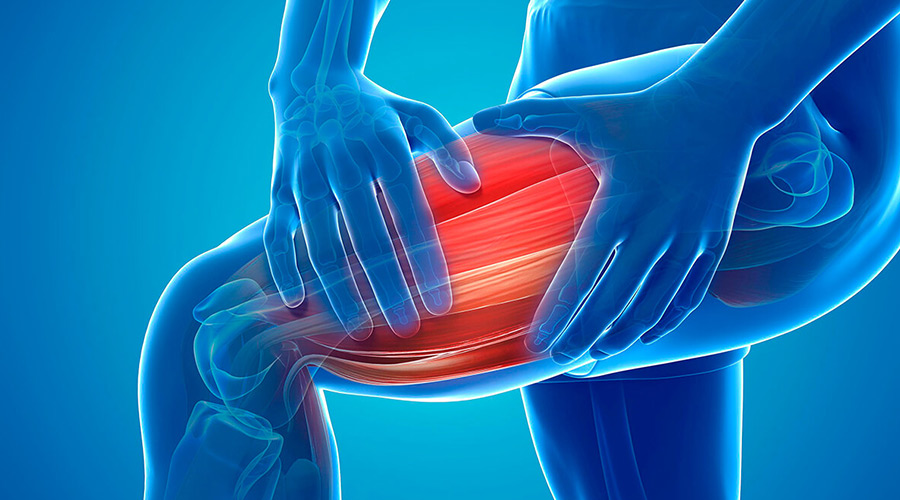
First of all, if you complain of cold feet that make you uncomfortable, you should definitely see a doctor who is an expert in the field. Cardiology specialists who deal with vascular and cardiovascular diseases can help you maintain your vascular health, or if you have a serious disease, they can diagnose and treat this disease. If you think your cold feet are caused by a vascular problem, you can try massaging your feet. This will cause the veins in the foot to open and blood to reach these points. Your cold foot complaint may also be caused by tight shoes, slippers or a very tight sock. That's why you should pay attention to your shoe choice. Don't let the elastic socks squeeze your feet and take care to choose a comfortable socks for you. Of course, this also applies to shoes and slippers.
Hormonal Problems
At the beginning of the hormonal problems related to cold feet are the problems related to the Thyroid Gland. The Thyroid Gland, which is in the form of a butterfly with open wings in the front of your throat, is responsible for maintaining the balance in the body. Excessive or slow work of the Thyroid Gland causes hormonal problems such as Hypothyroidism. Hypothyroidism not only causes your feet or hands to become very cold, but also causes hair loss, weakness, and dry skin.
What can be done?
Hormonal disturbances in the human body can cause serious problems. If you are suffering from hypothyroidism, you should first have a blood test. In this way, you can find out if you have hyperthyroidism.
Muscle Rheumatism
Muscle rheumatism, also known as fibromyalgia, is the pain of the muscles in the body due to rheumatism and as a result, it disturbs the patient. Rheumatism, which can have very serious consequences, is caused by wet laundry and similar reasons. In general, patients with muscular rheumatism suffer pain in many parts of their body, not in one part. Muscular rheumatism causes the muscles in the body to contract and, as a result, compress the blood vessels. The tense and tightened muscles compress the blood vessels and as a result, the vessels cannot function and cause your feet to feel cold.
What can be done?
Diagnosis and treatment of muscle rheumatism is done by doctors. If you have muscle rheumatism, what you need to do is to use muscle relaxants, which you can find in all pharmacies. Again, massaging your feet from time to time or using slippers with a massaging sole can cause your foot veins to open and your feet to warm up partially.
Vitamin Deficiency
Vitamin deficiency causes a decrease in the resistance of your whole body, especially in the cold winter days. This causes many problems, especially the common cold. The common cold also causes the whole body's resistance to drop and your hands and feet to feel cold. Vitamin deficiency causes many problems from blood circulation to body resistance, and this causes especially cold hands and feet.



















Leave a Comment