






All organs of the human body are important. However, we only have one organ that carries the weight of the whole body throughout the day: our feet. Foot care and health is an issue that is neglected by many, and this is also the case for those who spend a long part of their work standing. That's why you can see that professions such as pharmacist, cafeteria worker, doctor generally use Sabo clogs. Let's come to the feet that carry our body all day.
Facts About Your Foot You Have Never Heard Before
What You Didn't Know About Your Foot...
All organs of the human body are important. However, we only have one organ that carries the weight of the whole body throughout the day: our feet. Foot care and health is an issue that is neglected by many, and this is also the case for those who spend a long part of their work standing. For this reason, you can see that professions such as pharmacist, cafeteria worker, doctor generally use Sabo Clogs. Let's come to the feet that carry our body all day.
Did you know that there are more than 250,000 sweat glands in your feet alone? Or just that you have more than 52 bones in your foot? If your answer is no, here are the unknowns about feet and facts about your feet that you have never heard before!
Prolongs Without Feeling
If you're unsure about the length and width of your feet, think again. Because your feet come to half the size as soon as you sit down. But when you stand up, your foot takes its normal size. The flexible structure of the foot, which can change this size, allows you to balance, walk and run. Feet get the largest volume they can take in the evening.
An Adult Man Or Woman Walks More Than 3 Miles A Day
The average adult man or woman walks more than 3 miles a day. Walking works your foot muscles and makes your feet sweat. The cause of the bad odor is the bacteria formed by perspiration. If you are not willing or skilled at removing these bacteria, your foot tissue is more likely to get viral diseases. Meanwhile, walking is the best thing you can do for your circulatory system and heart.
First Steps...
The average newborn baby is expected to take its first steps and walk within 13 to 17 months. It is considered normal for children to start walking within 10 or 18 months. The number of steps a person takes in a day varies between 4000 and 6000. Studies also reveal that women complain about their feet 3 times more than men.
When were the first shoes produced?
The first shoes on earth were produced 5 million years ago. The material of the first shoes produced is not very different from today's shoes. Animal skin is the most common material used in shoe production since ancient times. People in the Stone Age used animal skin to protect their ankles from the cold. The idea of producing different shoes for the right and left feet was first put forward and applied by the Romans.
Your Foot Is More Complex Than You Think
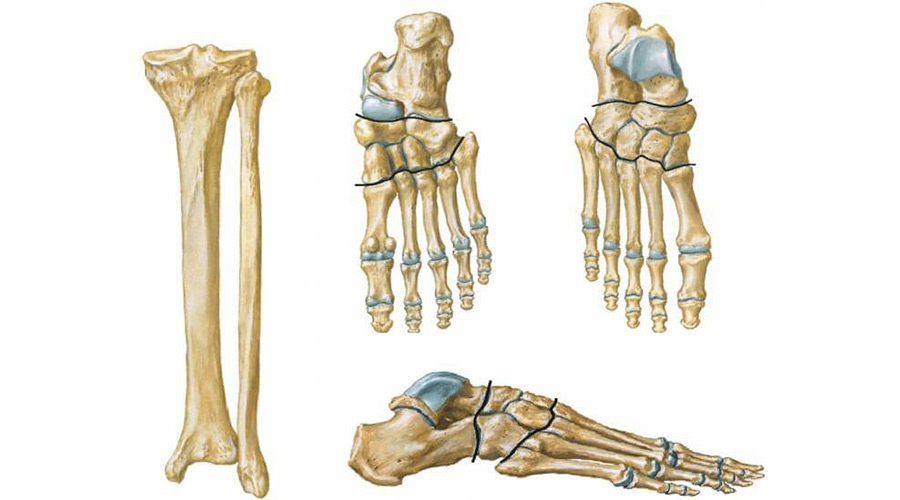
An adult human foot has 26 bones, 33 attachment points, and more than 100 muscle fibers. 26% of the bones in the human body are found in the human foot. A foot can sometimes be exposed to pressure 4 times its current body weight. The distance a person walks in a lifetime is equivalent to 4 times the circumference of the earth. Discomfort in the feet is one of the most painful ailments, as it interferes with your day-to-day activities.



















Leave a Comment