





How should work safety shoes be?
Occupational safety is important to all of us, so the products we buy must be strong and durable, they must have standards to prevent any work accident. There are many aspects to consider when choosing safety shoes.
The Importance of Work Safety Shoes
The most injured organ in work accidents is the feet, because they are the only point in constant contact with the ground. For this reason, our feet are in constant danger, such as when a suspended material falls on our feet or if we drop a material or part in our hands. However, we can minimize this risk by taking precautions. The importance of safety shoes in the construction industry is increasing day by day. There is always risk in the construction industry, so we need to take our security to the next level. Using safety shoes not only in the construction sector, but also in the electricity, metal industry and hot-processing works protects you significantly.
Work Safety Shoe Standards
All occupational safety and equipment must be produced according to certain regulations and standards, other than that, it cannot be produced and its use is definitely not recommended. The regulation on the use of Personal Protective Equipment in the workplace and the personal protective equipment regulation describe how work shoes are produced and what features they should have in terms of legislation.
All work safety shoes must have the standard minimum qualifications, TS EN ISO 20345 Personal Protective Equipment - Safety Footwear standard and TS EN ISO 220347 Personal protective equipment - Work footwear standard are used for work safety shoes in our country.
You can check the product label, which is usually on the tongue of the work safety shoes, to see which standards are produced according to the standards of work safety shoes.
The meanings of the codes are as follows;
EN ISO 20345 : Standard number.
0903119-01-86 : PFI Certificate No
0193 : Authorized body reference (PFI) approving the product
A-ONE/701 : Product name and group number
08/2009 : Production date
41 : Shoe size
S2 : Classification type
Work safety shoes are available in two different standard shoe classifications.
These classifications have been prepared for the purpose of classifying shoes to be used for different purposes.
TS EN ISO 20345: For work shoes with steel or composite toe cap.
S1 Antistatic, shock absorbing heel area, Oil Resistant Sole
SB Basic Security
S1P Antistatic, Shock absorbing heel area, oil resistant sole, Steel midsole
S2 Antistatic, Shock Absorbing Heel Area, Oil Resistant Sole, Water Resistant
S3 Antistatic, Shock Absorbing Heel Area, Oil Resistant Sole, Water Resistant, Steel Intersole
The features of the Occupational Safety Shoes can also be specified to you with various codes.
TS EN ISO 20347 : For work shoes without toe impact resistance.
Safety Shoes Test Conditions
Occupational safety shoes should be produced according to the conditions specified in the standards. Some tests have to be done to measure this. These tests must be produced in accordance with the TS EN ISO 20344 Personal Protective Equipment, Test Methods for Footwear standard.
Nose Protector Conditions
In occupational health and safety shoes, the toe protector is a cambered piece that is placed on the front of the shoe to protect your fingers from impacts and damage. The nose protectors are fixedly mounted on the placed area and must be produced permanently. Occupational safety shoes have a support band that is at least 5 mm inside from the rear edge of the toe protector so that it does not disturb your feet.
Durable Plate Soles
The plates of the Work Safety Shoes are designed to be resistant to sinking. It provides protection against sharp objects such as cutters, drills and nails. These special soles, which are produced to prevent work accidents, prevent unfortunate accidents that may happen to you in the best way.
Electrical Resistance
Another cause of work accidents is electric shock. If you are working in a sector where there is such a risk, the safety shoes you will use should have the necessary electrical resistance. This resistance statement is indicated on the label part of the shoes, we recommend that you check this part.
Thermal Insulations and Resistance to Cold
Occupational safety shoes must have thermal insulation and be extremely resistant to cold, this is an indispensable feature. If you are purchasing work safety shoes, pay attention to whether these standards exist. Occupational safety shoes are designed to please and protect you in all seasons and in all conditions. You can find Work Safety shoes by clicking here.
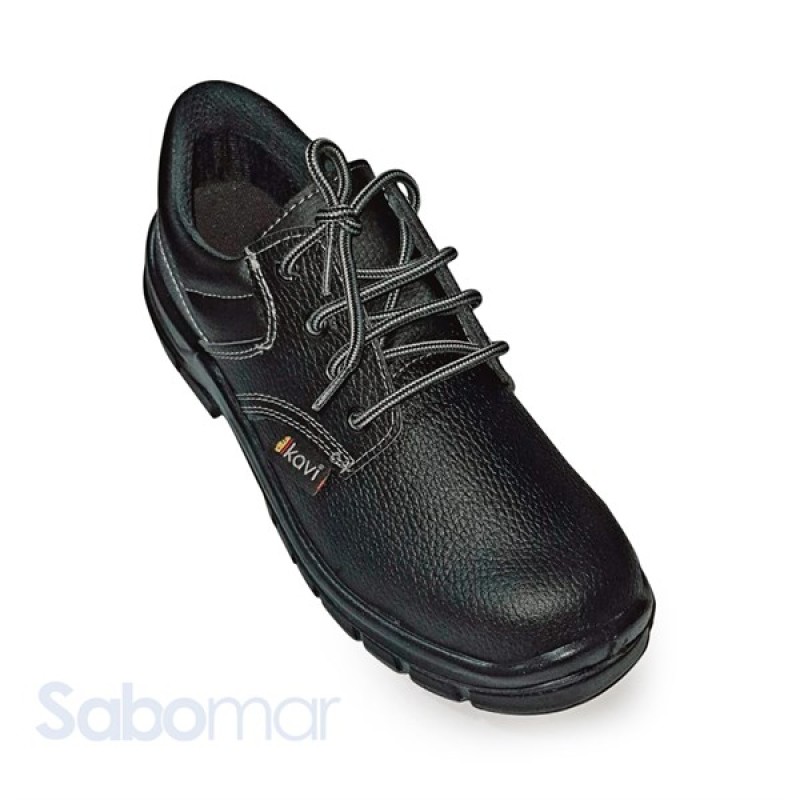
Out of Stock
Stock: Out of Stock
Brand: Kavi
FEATURES:Leather: Printed LeatherStandard: EN ISO 20345 S2, EN ISO 20347, S2Sole: Polyurethane DensityProduction: Direct injection on the upperInterna..
$126,46
Ex Tax:$114,97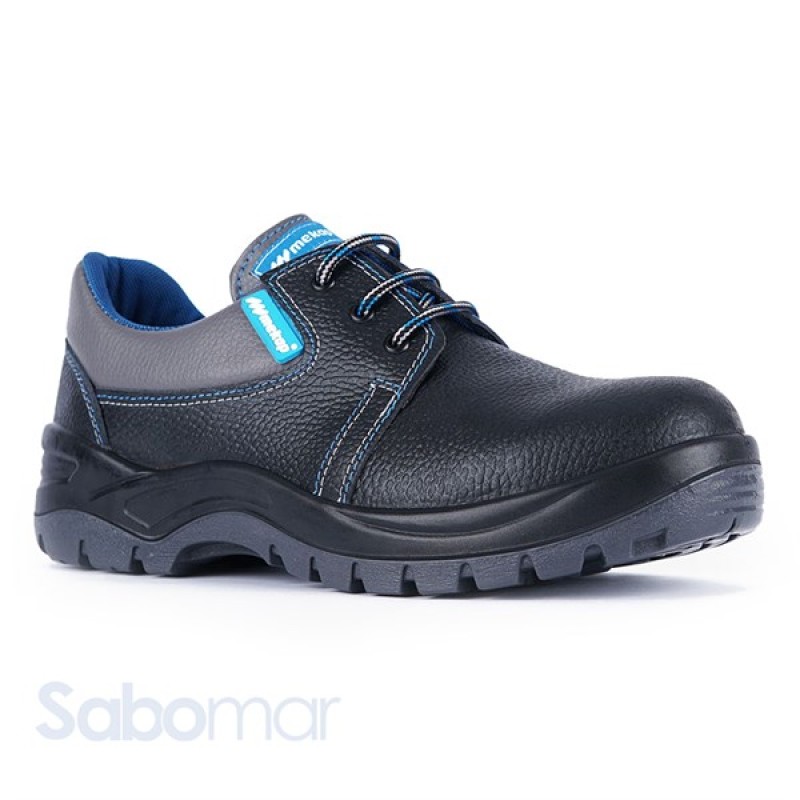
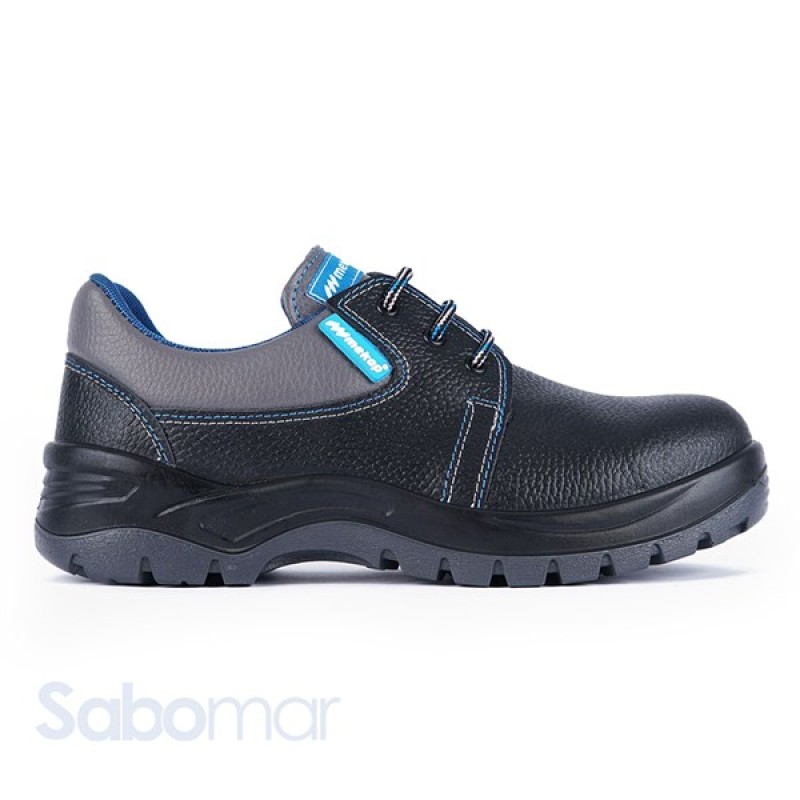
Out of Stock
Stock: Out of Stock
Brand: Mekap
Model: JupiterBase: Jupiter BaseISO: EN ISO 20345:2011Product Code: 101 Black BartonProtection: S1PNose Protection: Steel ToeIntersole: Steel Intersol..
$194,69
Ex Tax:$176,99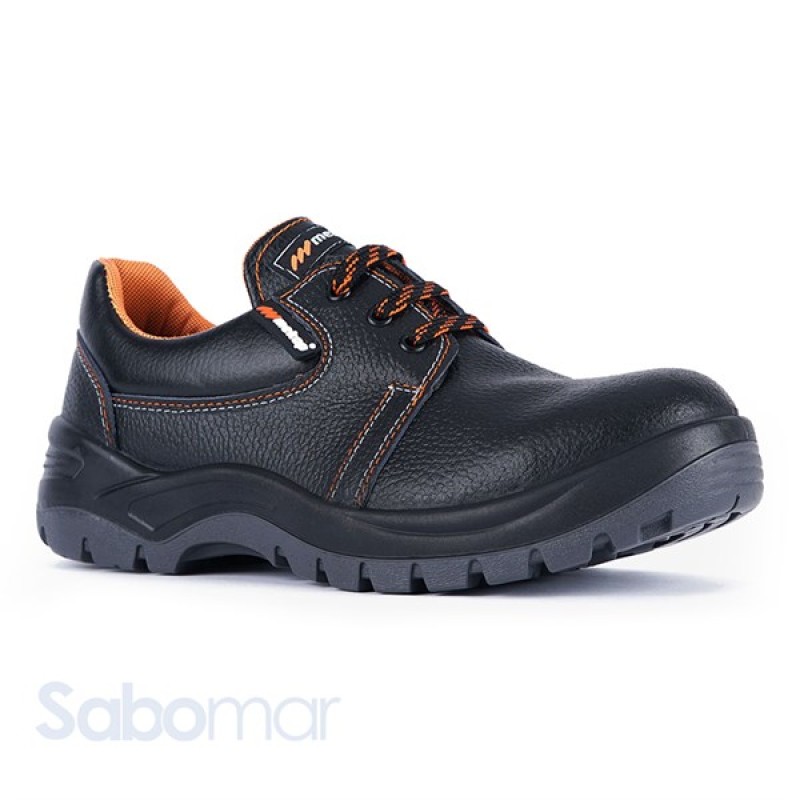
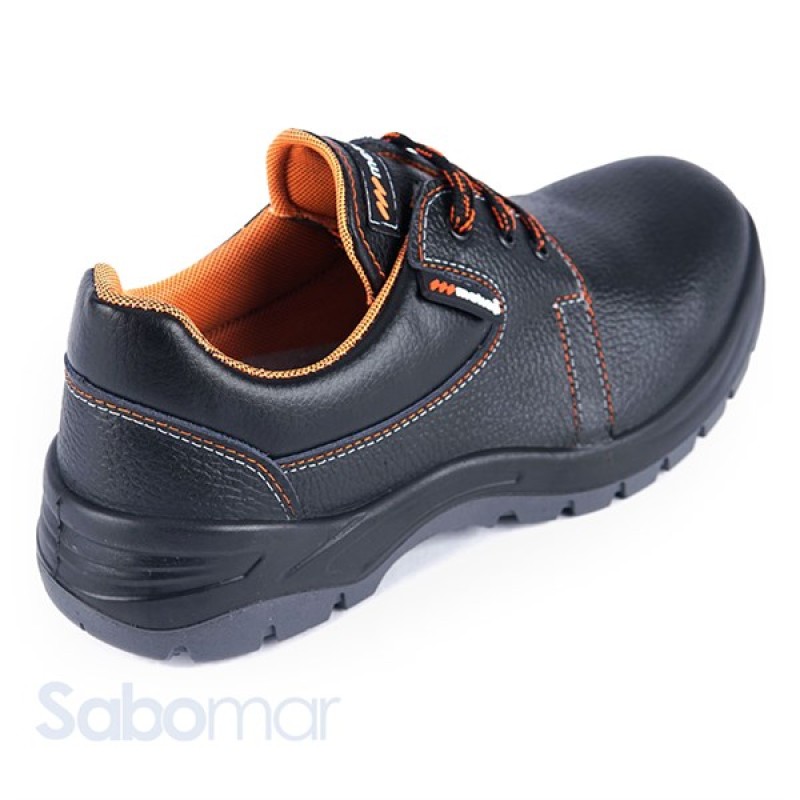
Out of Stock
Stock: Out of Stock
Brand: Mekap
Model : JupiterBase: Jupiter BaseISO : EN ISO 20345:2011Product Code : 106 Black BartonProtection : S2/S3Pattern : JUPITERUpper : Printed LeatherLinin..
$219,65
Ex Tax:$199,68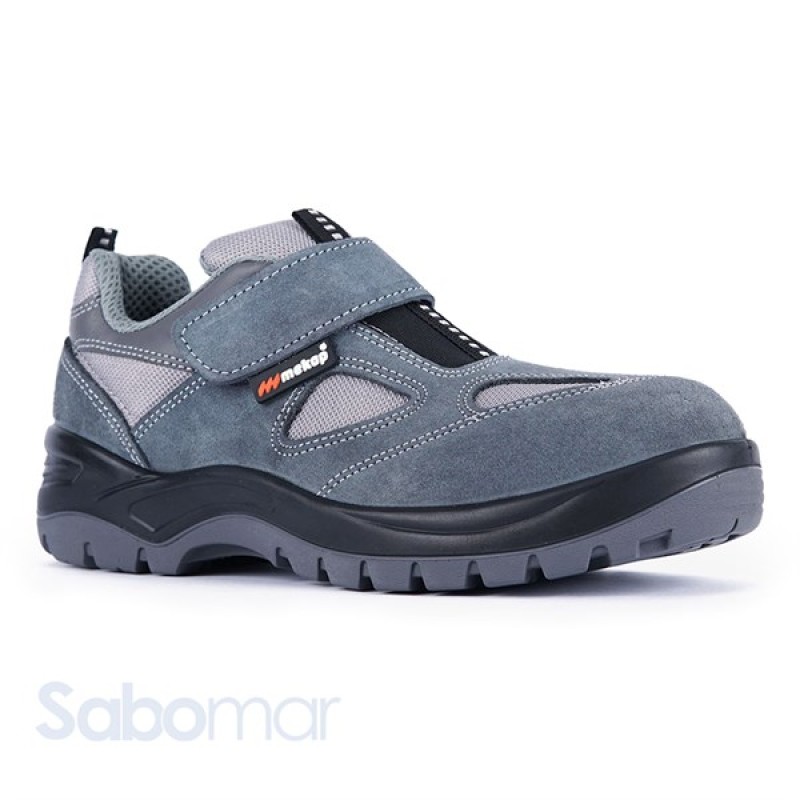
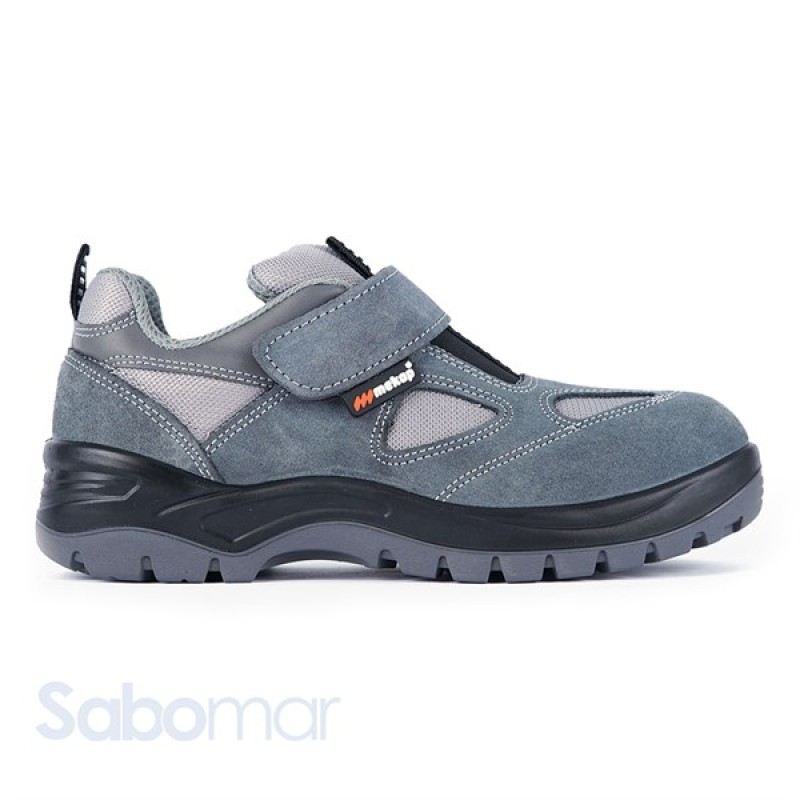
Out of Stock
Stock: Out of Stock
Brand: Mekap
Model : JupiterBase: Jupiter BaseISO : EN ISO 20345:2011Product Code : 157-01 GrayProtection : S1/S1PPattern : JUPITERUpper : Suede LeatherLining: Swe..
$224,64
Ex Tax:$204,22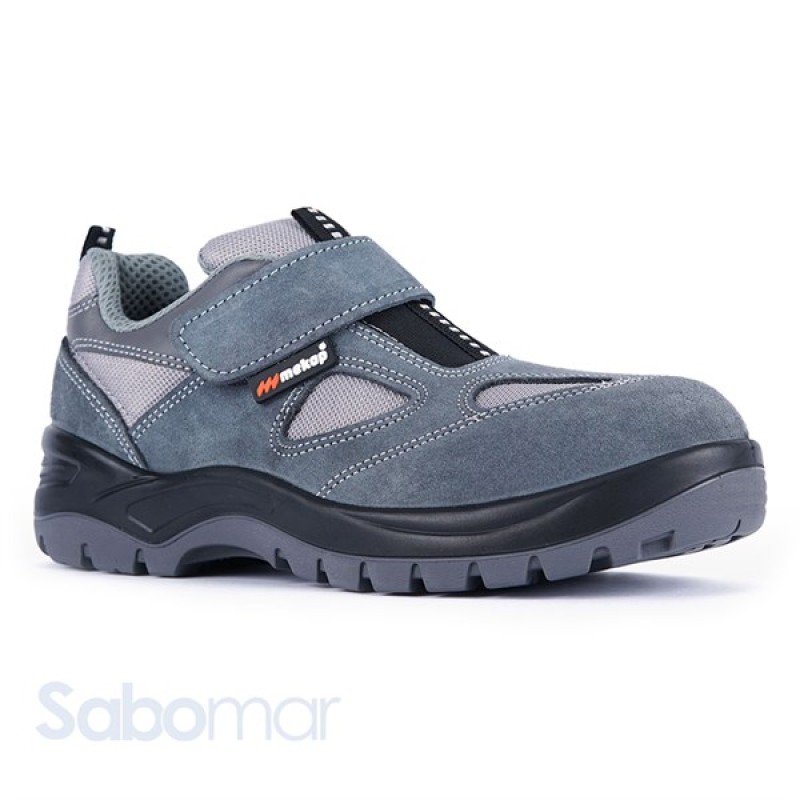
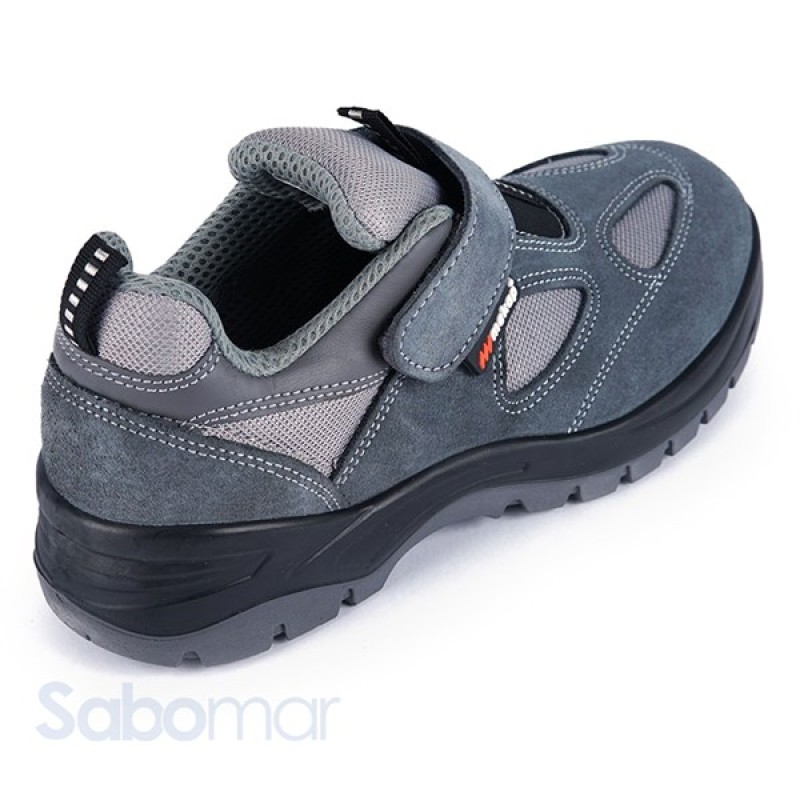
Out of Stock
Stock: Out of Stock
Brand: Mekap
18.000 Volt Electrical ResistantToe Cap Guard: Composite Toe Cap + Composite SoleSole: Policap SoleSole Features: PU/PU Double Density SRCUpper: Sued..
$264,58
Ex Tax:$240,52Showing 1 to 5 of 5 (1 Pages)
